
If you are like most vacation rental property owners and managers, you want to fill your rental calendar with bookings. After all, more bookings mean more guests, which means more money in your pocket. Your rental website (if applicable), listings on booking sites and communications with potential renters can all play key roles in helping you attract a steady stream of the right kind of renters.
When marketing your vacation rental property, it’s understandable that you would want to show your property and amenities in the best possible light in your marketing efforts. But be careful! It’s one thing to use flowery, descriptive language to describe your property and another to bend the truth entirely. At the very least, you’ll experience an unhappy guest and a negative review. At worst? A liability claim.
When you go about marketing your vacation rental property, here are the best ways to make sure you’re on the up-and-up.
Don’t Post Misleading or Inaccurate Photos and Descriptions
Make sure photos and descriptions are current, accurate, and are not misleading. Using outdated photos or omitting key information when marketing your vacation rental property could result in disgruntled renters and negative reviews, which could impact future rental bookings.
Make Sure the Amenities You Highlight Actually Work
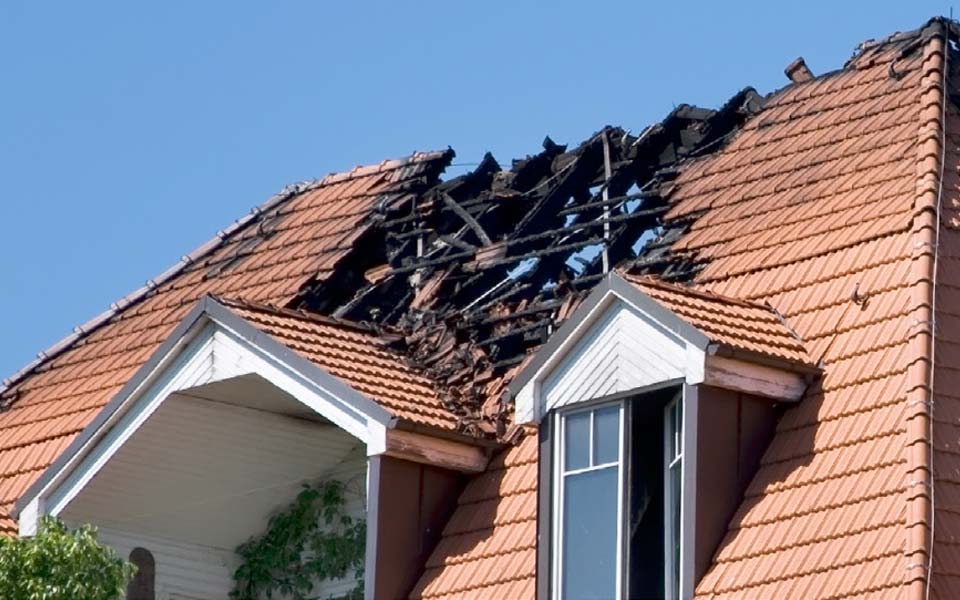
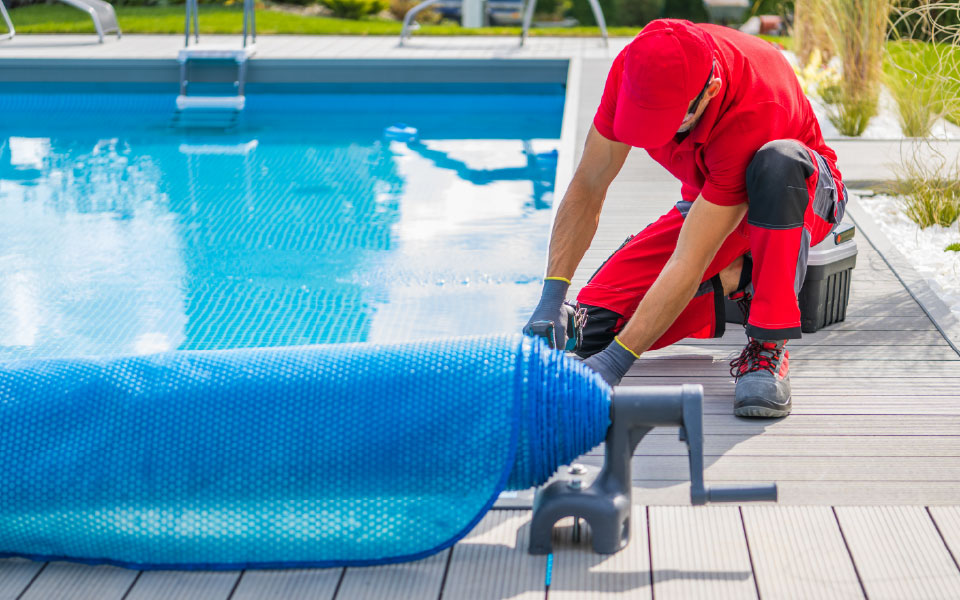
Presenting your property in photos and descriptions in a way that could be construed as misleading may also leave you open to the risk of liability claims and potential lawsuits. For example, if your rental listings and pictures feature certain amenities like a fireplace, pool, hot tub or sauna, but the amenity isn’t actually usable when your renters arrive, you could be the target of a liability claim.
Of course, things beyond your control can happen; a previously-functioning appliance or amenity can break down during a renter’s stay. When this happens, taking prompt and reasonable action to correct the problem can protect you from risk.
Provide Disclaimers When Necessary
It is a different story when a vacation rental property owner or manager intentionally markets rental property as including an amenity that he or she knows is not actually available for use. For example, the water quality on the lake where a rental cabin is located may be too poor for swimming during certain parts of the year. In that case, it is still OK to describe the property as a lakefront cabin. But be sure to also include a disclaimer that swimming may not be an option. Describing potential problems up front can eliminate complaints later, and can lower your risk of having to rely on your liability insurance coverage.
Are You Protected from Liability Claims?
Full disclosure in the marketing of your vacation rental property is a great first step toward avoiding liability claims. But do you know if your property is adequately insured and if your coverage protects you from both damage and liability claims? If you’re a CBIZ vacation rental insurance policyholder, you have protections that listing sites’; host liability coverage simply doesn’t include. To learn more about why you need commercial liability protection and how it differs from listing sites’ host liability policies, contact us for a FREE coverage comparison.
This blog may contain scenarios that are provided as examples only. Coverage is subject to the terms, conditions and exclusions of the policy issued. The information provided is general in nature and may be affected by changes in law or the interpretation of such laws. The reader is advised to contact a professional prior to taking any action based upon this information.