
Summer is peak season for vacation rentals — and liability risks. Pools, hot tubs, fire pits, and other amenities may boost bookings, but they also increase exposure to accidents, injuries, and costly claims.
Having the right safeguards in place is crucial to protecting your guests, reputation, and bottom line.
Why Pools & Amenities Increase Risk
Amenities are a major draw for guests, but they come with inherent hazards. Slippery surfaces, unsupervised use, equipment malfunctions, and a lack of clear rules can all lead to incidents. Pools, in particular, present heightened liability concerns, including drowning risks, diving injuries, and waterborne illnesses. Add in features like grills, bikes, or game rooms, and the number of potential exposures multiplies quickly.
Even minor incidents can escalate into significant claims if negligence is alleged, making proactive risk management essential.
Common Liability Gaps to Watch
Many vacation rental owners assume their standard property or homeowners insurance policy provides adequate coverage. In reality, coverage gaps are common when amenities are involved. Some policies may exclude or limit coverage for:
- Pools and hot tubs without proper safety features
- High-risk amenities like trampolines or watercraft
- Injuries resulting from inadequate maintenance or supervision
- Short-term rental activity altogether
Without the right policy structure, a single claim could result in substantial out-of-pocket costs.
Practical Steps to Reduce Exposure
Managing amenity-related risk doesn’t have to be complicated, but it does require consistency and attention to detail. Start with these foundational practices:
Prioritize safety features
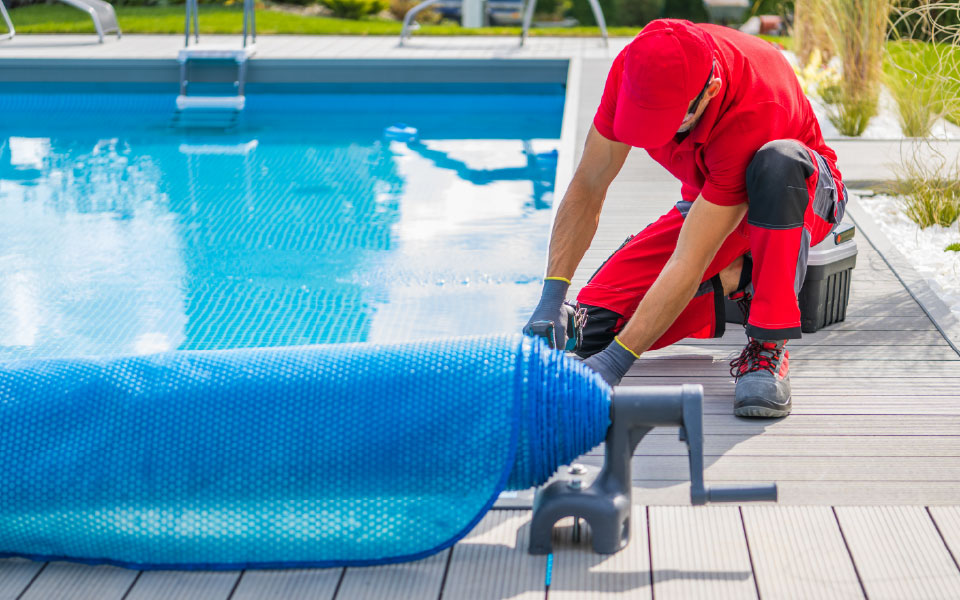
Install fences, self-latching gates, pool covers, and clearly visible depth markers. Ensure all equipment meets local safety codes and regulations.
Post clear rules & signage
Set expectations for safe use. Include rules around supervision, diving, alcohol use, and hours of operation, and make signage visible and easy to understand.
Maintain regular inspections
Routine checks can help identify hazards before they lead to incidents. Document maintenance and repairs to demonstrate due diligence.
Provide emergency resources
Equip your property with life-saving tools such as life rings, reaching poles, and first aid kits.
Screen & educate guests
Communicate amenity guidelines before guest arrival and reinforce them during the stay.
The Importance of Short-Term Rental Insurance
Even with strong risk controls, accidents can still happen. That’s where tailored insurance coverage plays a critical role. A comprehensive vacation rental insurance program should address:
- General liability for guest injuries
- Coverage for amenity-related incidents
- Loss of income resulting from covered claims
Working with an advisor who understands the unique risks of vacation rentals can help ensure your coverage aligns with your property’s specific exposures.
Stay Protected All Season Long With CBIZ
Managing risk as a vacation rental owner requires a strategic approach. CBIZ helps hosts identify exposures, strengthen safety practices, and secure insurance solutions designed for short-term rentals.
Connect with a CBIZ advisor to help protect your property, guests, and peace of mind.
This blog may contain scenarios that are provided as examples only. Coverage is subject to the terms, conditions and exclusions of the policy issued. The information provided is general in nature and may be affected by changes in law or the interpretation of such laws. The reader is advised to contact a professional prior to taking any action based upon this information.