A winterized rental can look ready for the season and still be one cold snap away from a costly loss. For vacation rental owners and innkeepers, the biggest vulnerabilities are often not the items on the standard checklist. They are the details no one notices until something goes wrong.
Pipes, Heating, and Insulation: What Hosts Miss
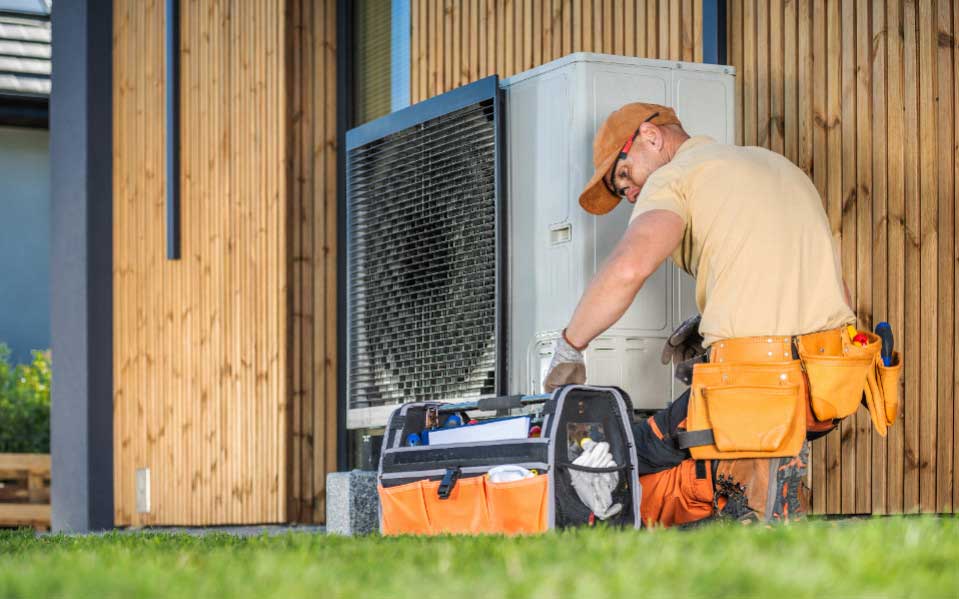
A heating system can run perfectly during a pre-winter check and still fail when the property needs it most. Thermostat batteries die, fuel deliveries fall behind, filters clog, and aging components break down. Hosts should service the system, test every thermostat, and have a plan for responding to heat loss between stays or during a guest’s visit.
Insulation problems are easy to miss because they often develop out of sight. Thin attic insulation, worn weatherstripping, and gaps around windows or doors can force the heating system to work harder while leaving rooms cold and uncomfortable. Inspecting these areas before winter can help protect the property, control heating costs, and prevent guest complaints.
Pipes carry their own hidden risk. Plumbing inside exterior walls, crawl spaces, garages, and other cold areas may freeze even when the rest of the rental feels comfortable. Insulate vulnerable lines, disconnect outdoor hoses, and make sure someone can quickly locate and operate the main water shutoff valve.
An Empty Rental can Turn Damage Into Disaster
When a vacation rental sits unoccupied, no one is there to catch the first sign of trouble. A failed heating system, burst pipe, electrical problem, break-in, or fire can cause far more damage when hours or days pass before anyone responds. Winter weather raises the stakes because freezing temperatures can turn a single failure into a property-wide loss.
Before the rental sits vacant, decide who will inspect it, how often checks will occur, and what each visit must cover. Give that person access to shutoff valves, heating controls, electrical panels, and emergency contacts. Document each inspection so you have a record of the property’s condition and any action taken.
Review the insurance policy as well. Vacancy or unoccupancy provisions may include specific requirements for maintaining heat, inspecting the property, protecting utilities, or notifying the insurer. A missed condition could affect how coverage responds when the rental needs it most.
When Winter Failures Become Major Water Claims
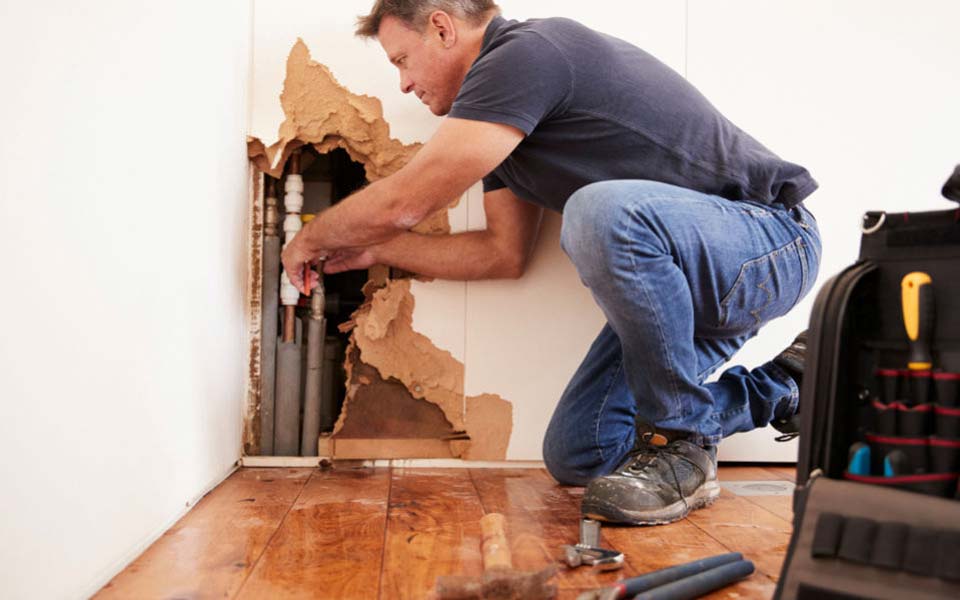
A burst pipe can send water through walls, ceilings, floors, furnishings, and electrical systems. Cleanup may require demolition, drying, mold prevention, and extended repairs, which could lead to lost bookings.
Limit the damage by labeling shutoff valves and keeping access clear. Place leak sensors and automatic shutoff devices in kitchens, bathrooms, laundry areas, mechanical rooms, and near water heaters. Test each device, replace batteries, and make sure alerts reach someone who can respond quickly.
A critical step in preparing for a major water loss is understanding how your insurance policy addresses water damage, business interruption, lost rental income, and related coverage requirements. Keep maintenance records, photos, receipts, and repair invoices to support the claim and show how the property was protected before the loss.
Protect the Stay Before the Temperature Drops
Connect with CBIZ to review your property risks, coverage considerations, and winter readiness before a cold-weather failure disrupts your next booking.
Frequently Asked Questions
Yes. Keeping the heat on helps protect plumbing and indoor systems during freezing weather. The right setting depends on the property, its plumbing, and policy requirements, so confirm the minimum temperature with your heating professional and insurance provider. Use remote temperature alerts and arrange inspections during extended vacancies.
Insulate plumbing in exterior walls, crawl spaces, garages, and other cold areas. Disconnect outdoor hoses, seal openings that expose pipes to cold air, and keep the heating system operating as required. For a longer vacancy, ask a qualified plumber whether the water supply should be shut off and the lines drained.
Coverage depends on the policy and the circumstances of the loss. Policies may require owners to maintain heat, inspect an unoccupied property, protect utilities, or notify the insurer about an extended vacancy. Review those conditions before winter and document inspections, maintenance, and repairs. Your insurance provider can explain how the policy applies to your property.
This blog may contain scenarios that are provided as examples only. Coverage is subject to the terms, conditions and exclusions of the policy issued. The information provided is general in nature and may be affected by changes in law or the interpretation of such laws. The reader is advised to contact a professional prior to taking any action based upon this information.