
Peak summer may be fading, but storm risk is not. Late-season storms can still bring dangerous weather, costly damage, and disrupted bookings. For vacation rental hosts, the biggest mistake is treating earlier near misses as proof that the property is in the clear.
Earlier Near Misses do not Lower the Risk
When storms pass by, the next forecast becomes easier to dismiss. Hosts may check updates less often, postpone maintenance, or leave storm plans untouched. But every system follows its own path, and last month’s outcome cannot predict where the next storm will go or how strong it may become. According to the National Oceanic and Atmospheric Administration, 96% of major hurricane days occur from mid-August through mid-October. A quiet start to the season says little about what could come next.
That complacency can leave critical work unfinished. Hosts may overlook loose shingles, clogged drains, unsecured outdoor items, outdated contact lists, or gaps in their response plan while there is still time to address them. Keep preparation active through the final day of hurricane season.
One Storm can Still Cause Major Loss
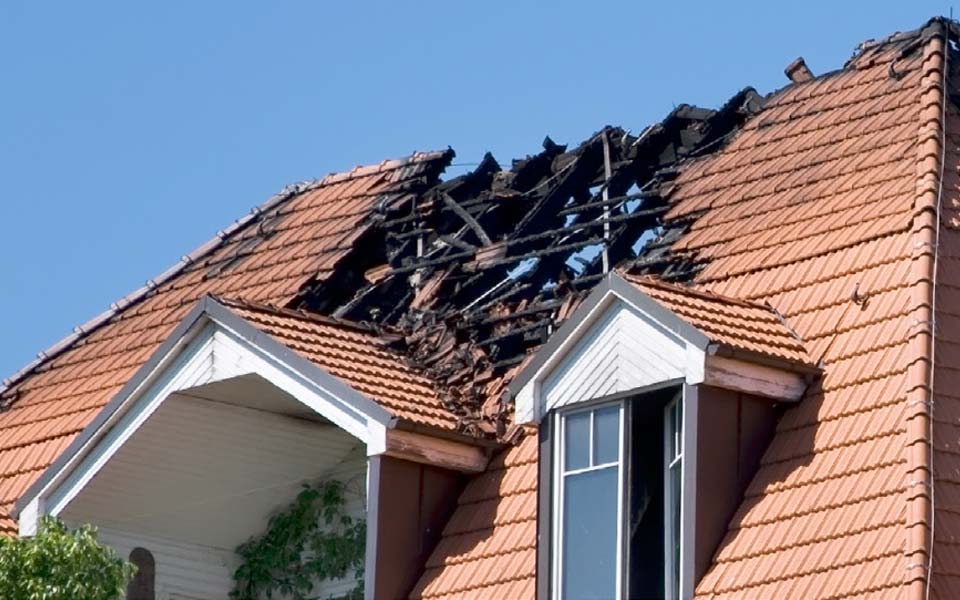
A season does not need multiple landfalls to become costly. One storm can damage the roof, siding, windows, outdoor structures, furnishings, and equipment. Wind-driven rain can reach areas that appear secure, while flooding and storm surge can create separate and significant losses.
The financial impact can reach beyond physical repairs. If covered damage makes the property unavailable, hosts may lose rental income, refund guests, relocate upcoming stays, and wait for contractors or materials before reopening. Those pressures can compound quickly, especially when several properties in the region need help at the same time.
The damage is only one part of the financial risk. Your policy terms can determine how much of the loss you must absorb, making named storm coverage an important part of late-season planning.
Know What Named Storm Coverage can Change
Named storm provisions can affect how your policy responds after a tropical storm or hurricane receives an official name. Your policy may apply a separate deductible based on the property and its location. It may also treat wind, water, lost rental income, and other losses differently.
Review your policy before a storm develops, and ask:
- What triggers the named storm deductible?
- Is it a percentage or a flat amount?
- Which structures and property does the policy include?
- How does coverage address lost rental income after covered damage?
- Do separate policies handle flood and storm surge?
The answers should reflect your location, property, and operations. Another host’s experience may not match your coverage.
Stay Ready Until the Season Ends
Talk with a CBIZ advisor to clarify your named storm coverage before the next forecast puts your plan to the test.
Frequently Asked Questions
Maybe not. Insurers may temporarily stop issuing policies or increasing coverage when a storm threatens an area. These binding restrictions vary by carrier, location, and storm conditions. Review coverage before a system develops because waiting could limit your options.
Yes, depending on the policy. A named storm deductible may apply per event, per season, or per calendar year. If several storms damage the property, you could be responsible for more than one deductible. Check the policy language with your advisor before hurricane season.
Keep current photos or videos of the building, rooms, furnishings, amenities, and major equipment. Maintain an itemized property inventory, booking and revenue records, maintenance files, receipts, and copies of policy documents. Store backups away from the property. After a storm, document damage before cleanup, save receipts for temporary repairs, and contact your insurer promptly.
This blog may contain scenarios that are provided as examples only. Coverage is subject to the terms, conditions and exclusions of the policy issued. The information provided is general in nature and may be affected by changes in law or the interpretation of such laws. The reader is advised to contact a professional prior to taking any action based upon this information.